FAQ & Learn
The technical questions homeowners actually ask us, about pricing, process, and what's safe for plants, paint, and wood.
See the Difference
Real results from recent jobs.
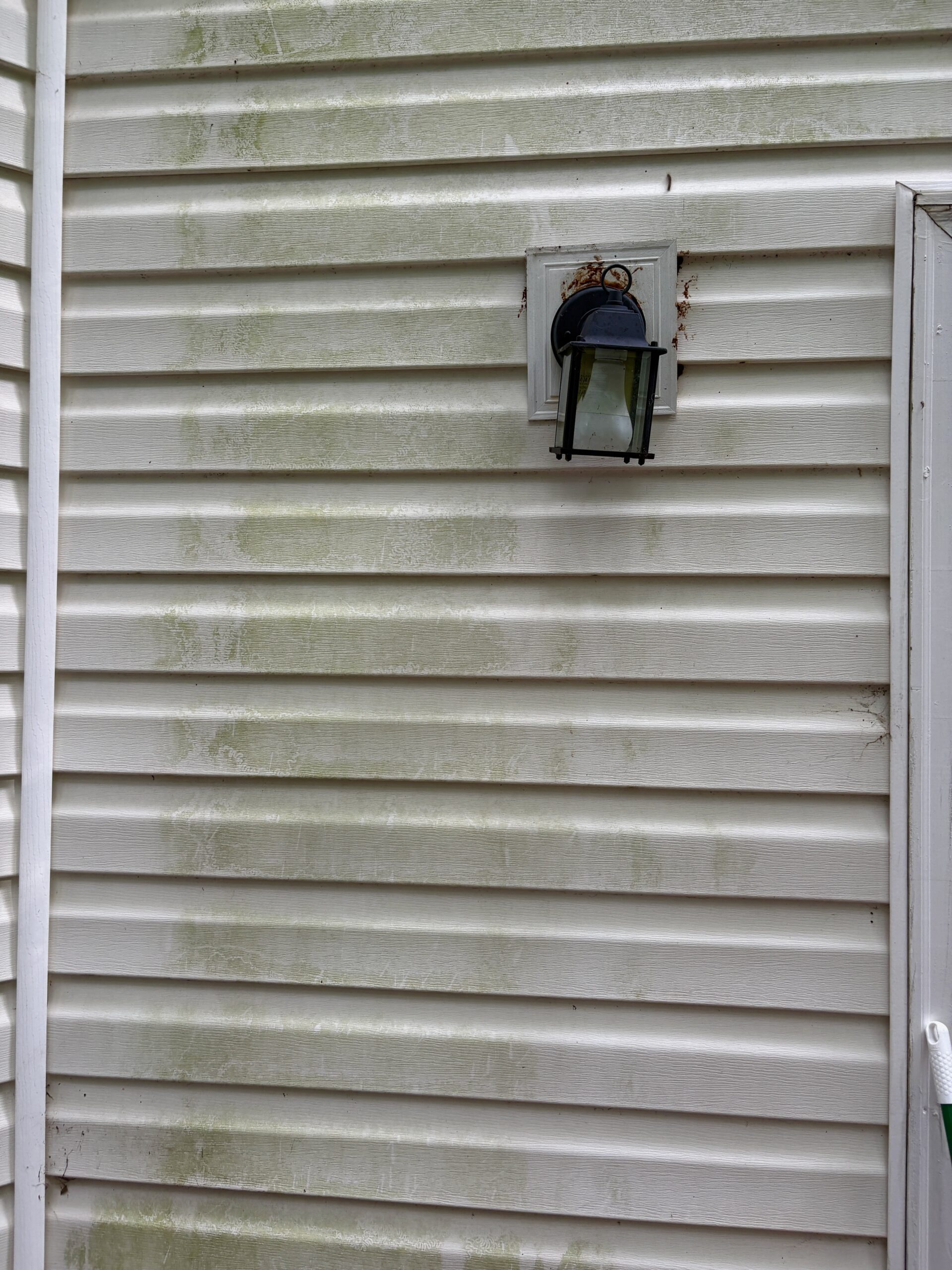
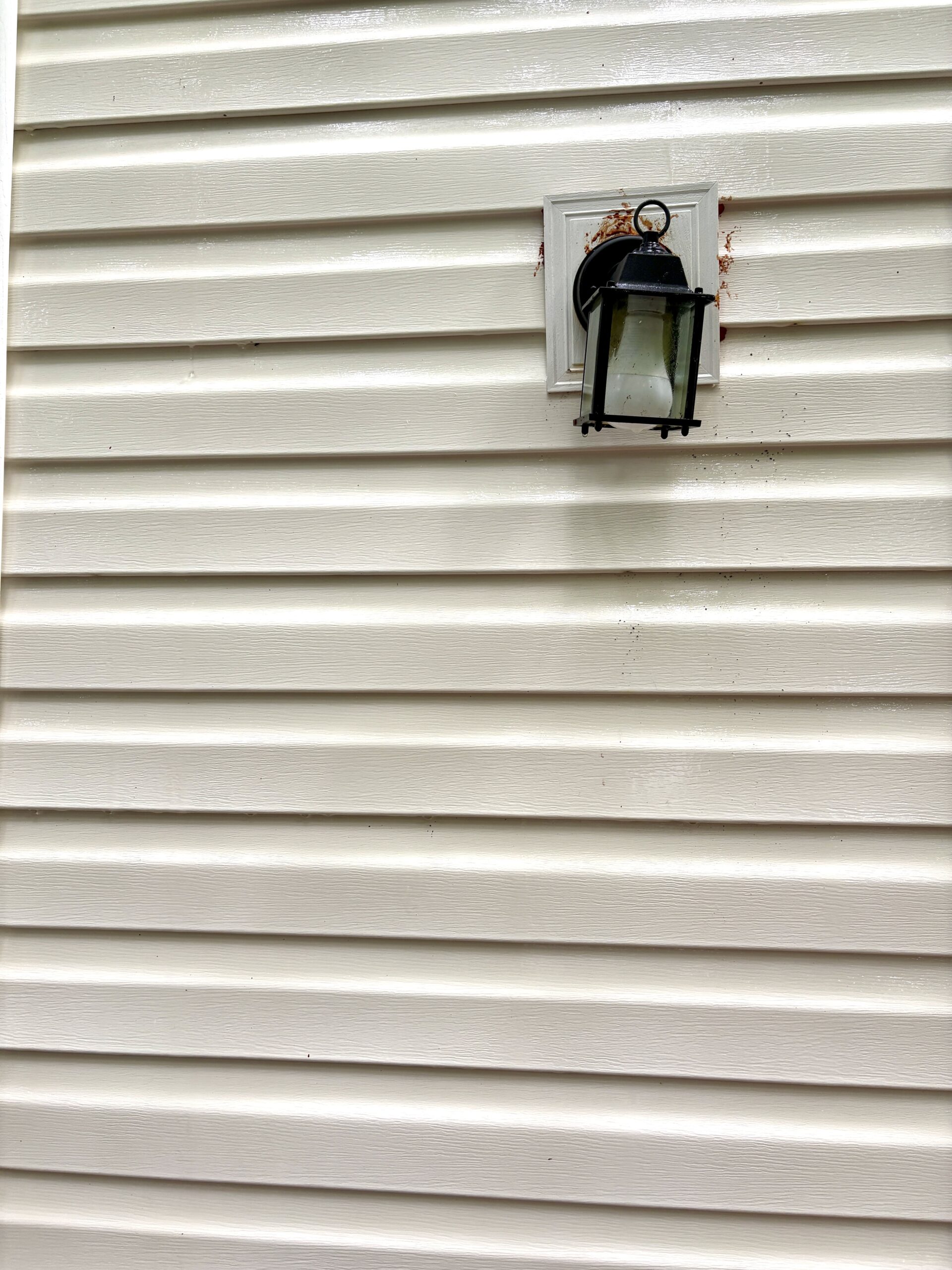
Soft Washing — Vinyl Siding
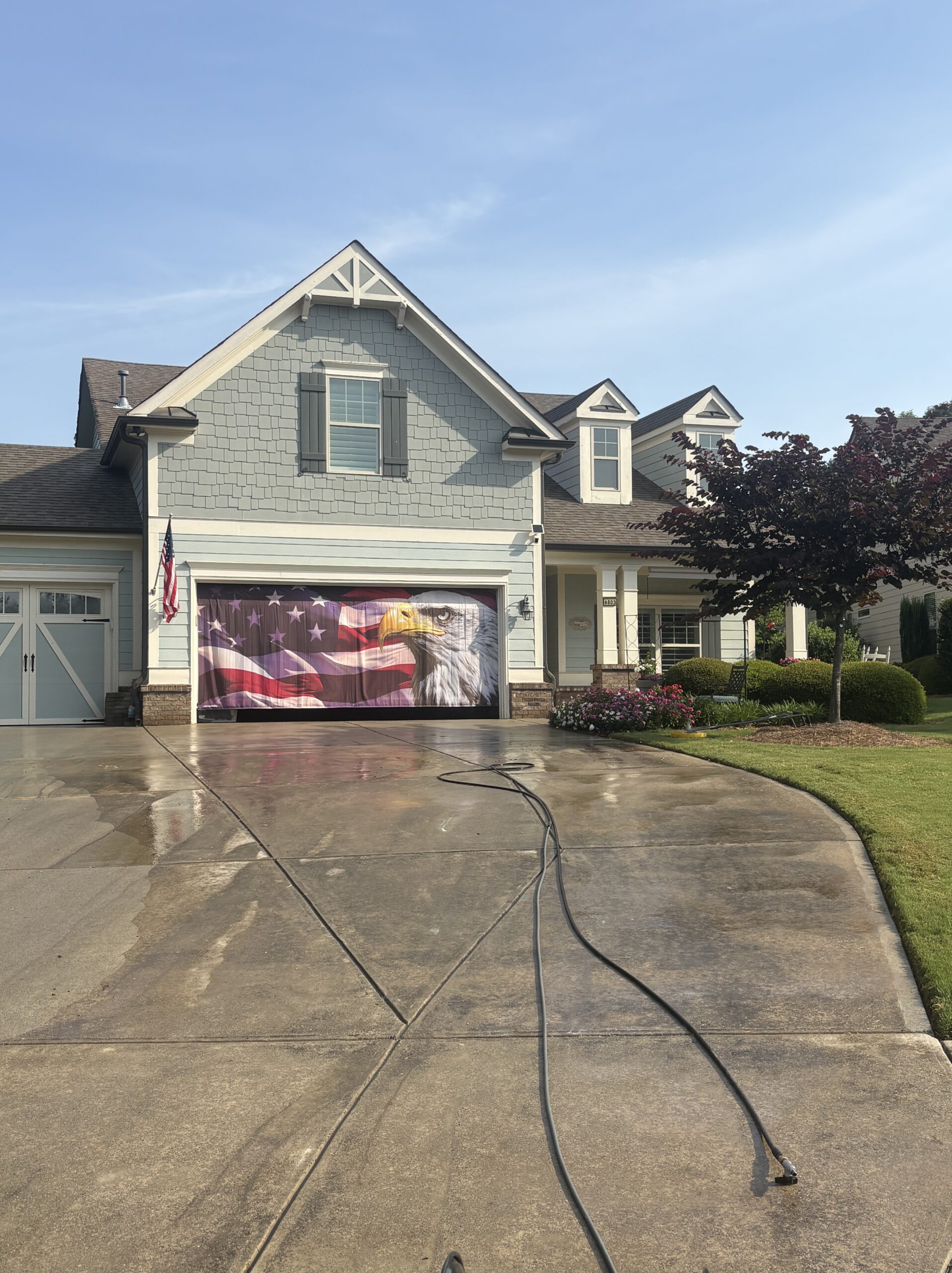
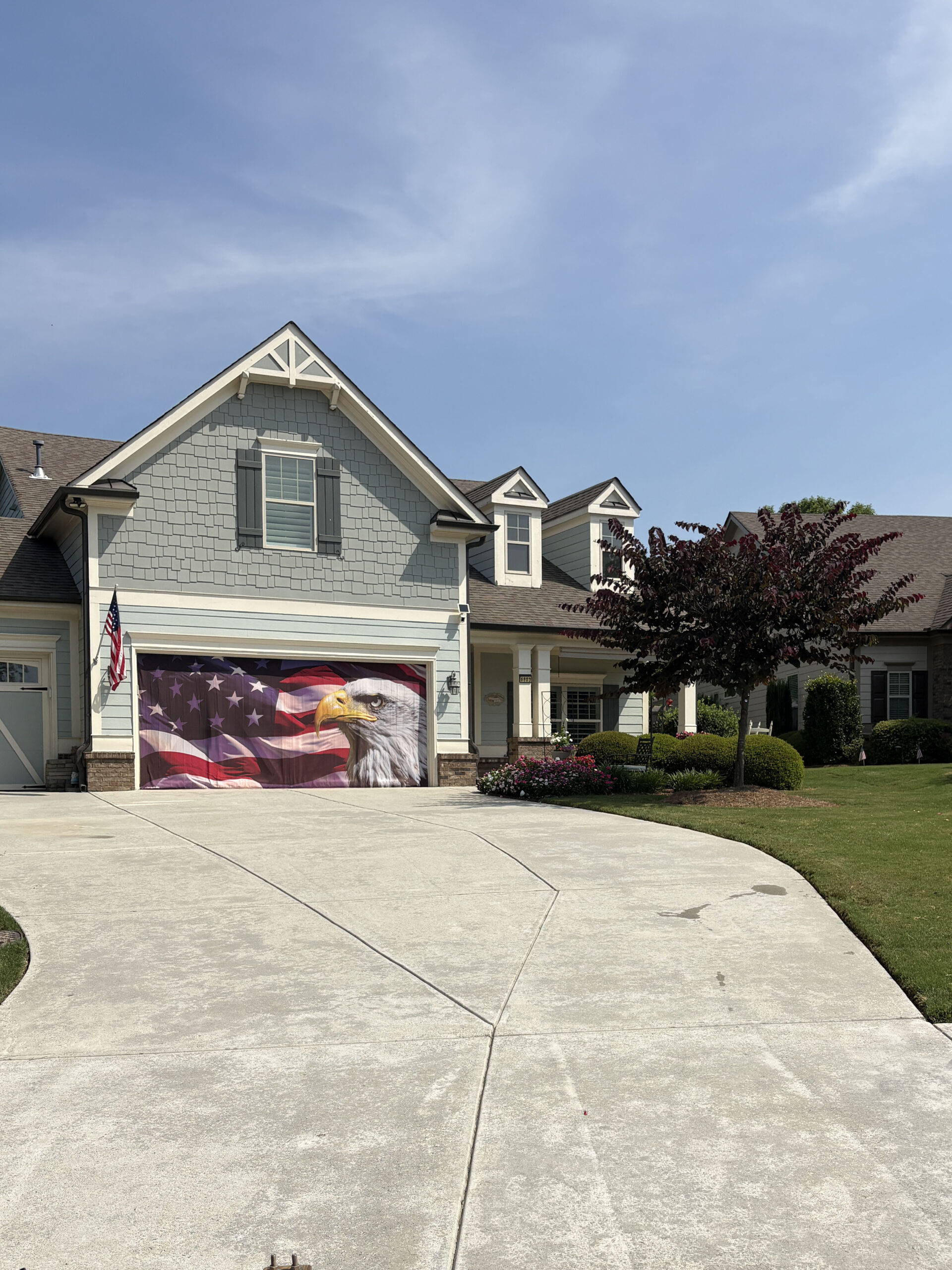
Pressure Washing — Driveway
Process & Pricing
What's the difference between pressure washing and soft washing?
Pressure washing uses high water pressure to blast dirt and buildup off tough, durable surfaces like driveways, patios, and walkways. Soft washing uses low pressure paired with a cleaning solution to lift dirt, algae, and mildew off more delicate surfaces like siding, relying on the chemical and dwell time to do the work instead of force.
How long does the cleaning process take?
Most single-service jobs, a driveway or a house wash on its own, take a few hours from setup to final rinse, depending on the size of the area and how much buildup we're dealing with. We can give you a closer estimate once we see the job.
Do I need to be home while you're working?
No. As long as we have access to the areas being cleaned and an outdoor water spigot, we can complete the job without you needing to be there.
Will it damage my windows, paint, gutters, or outdoor furniture?
No. Windows get rinsed rather than pressure-blasted, paint isn't affected by the pressure and dilution we use, and any furniture or fixtures nearby are moved or worked around before we start.
Can you remove mold, algae, mildew, and moss?
Yes, that's the majority of what we're removing on both driveways and house exteriors. Our cleaning solution is formulated to break down organic growth like this, not just surface dirt.
How do you determine the price?
Every job is priced individually rather than off a flat rate. We factor in the size of the area, how dirty it is, and the condition of the surface itself, a driveway with cracks or other damage takes more care than one in good shape.
Why does house washing cost more or less than driveway cleaning?
The two services use different methods, low-pressure soft washing for the house versus pressure cleaning for concrete, and typically cover different amounts of surface area, so pricing isn't a direct comparison. If you're having both done at the same time, we do offer a small discount for bundling them together.
Do you use professional equipment?
Yes, we run commercial-grade pressure washing equipment, not a consumer unit off a hardware store shelf, which lets us clean more effectively and consistently across every surface.
Why should I hire you instead of doing it myself?
Between the equipment, the correct chemical dilution for each surface, and knowing how much pressure a given material can actually handle, it's easy for a DIY attempt with a rented or consumer pressure washer to strip paint, gouge wood, or blow out paver sand. We carry the equipment and experience to get it clean without those risks.
Pressure Washing
What chemical do you use?
On hardscapes we pre-treat with a professional-grade sodium hypochlorite (SH) solution, the same active ingredient as household bleach but diluted and applied at a professional concentration, to break down algae, mildew, and embedded dirt before we pressure rinse it away. For rust stains or mineral buildup, we use a separate specialty treatment rather than mixing it with the SH.
Does it harm plants?
Not when it's done correctly. We rinse nearby grass and plant beds before we apply anything, keep them rinsed during the application, and rinse again once we're finished. That full rinse cycle before, during, and after is what actually protects your landscaping, not just avoiding the chemical.
Is it safe for pavers and polymeric sand joints?
Yes, we use a wide-angle tip and adjust pressure specifically for paver joints so we're not blasting the sand out from between them. If your joints are already worn thin, we'll flag it before we start so you know what to expect.
Is it safe for stamped or stained concrete?
Yes, at the pressure and dwell time we use. Stamped and stained concrete is more sensitive than plain gray concrete, so we lower the pressure and shorten contact time to avoid dulling the color or any sealant on top.
Can it strip paint?
High pressure held too close to already loose or peeling paint can strip it, but sound, well-adhered paint on concrete or masonry isn't affected at the distance and pressure we run for a standard wash.
Will pressure washing remove those black streaks on my driveway?
Yes, in the vast majority of cases. Those streaks are almost always algae or tire rubber buildup, both of which our cleaning process removes. The one exception is oil staining, which behaves differently and may need a separate treatment.
Will you be able to remove stains completely?
More than likely, yes. Most staining from dirt, algae, and organic buildup comes out fully. A specific stain like oil is the exception, it may lighten significantly without fully disappearing, depending on how long it's been set in.
Soft Washing
What chemical do you use?
The same SH-based solution as our pressure washing, but mixed at a much lighter dilution, siding needs a far gentler concentration than concrete, and applied through a soft-wash system at low pressure instead of a pressure tip.
How much pressure do you actually use on siding?
A fraction of what a standard pressure washer puts out, closer to a garden hose with a nozzle. The cleaning is done by the solution and dwell time, not the force of the water, which is what makes it safe for siding.
Is it safe for paint?
Yes. Soft washing exists specifically because painted siding shouldn't be blasted with a pressure washer, high pressure directly on paint is what causes damage, not the cleaning solution. Applied at low pressure and rinsed properly, it doesn't harm sound paint or the finish underneath.
Does it harm plants?
No. We rinse nearby plants and landscaping before we apply anything, keep them rinsed while we work, and rinse again after. That before, during, and after rinse is what protects them from any exposure.
How long will the house stay clean?
Most homes hold their clean look for close to a year before algae and mildew start creeping back, which is why we recommend a house wash on an annual basis to stay ahead of it.
Do you clean gutters/downspouts as part of the service?
Any dirt or algae staining on the gutters and downspouts gets cleaned as part of a normal house wash, but this isn't a dedicated gutter cleaning service. Removing built-up oxidation on gutters is a separate, more specialized job that isn't included automatically.
Does it leave a smell?
There's a mild bleach-like smell during and shortly after application, similar to laundry bleach. It fades as the surface dries and isn't something that lingers.
Wood Cleaning
Is it safe for wood?
Yes, but wood gets a different process than concrete or siding. Direct high pressure can gouge or splinter softer woods like pine and cedar, so we use lower pressure and a wood-specific cleaning approach instead of treating it like a driveway.
What chemical do you use on wood?
We switch away from our standard SH-based solution for wood. Bleach can dry out and break down wood fibers over repeated use, leaving it gray and brittle over time, so we use a dedicated wood-safe restoration cleaner instead.
Will it gray or damage the wood?
No, avoiding that is the whole reason we use a different product on wood. It's formulated to lift dirt, mildew, and old finish without stripping the fibers the way straight bleach can.
Does it harm nearby plants?
No, we follow the same rinse before, during, and after routine around beds and grass bordering a deck or fence line as we do on every other service.
Should I seal my deck afterward?
It's worth considering, especially if it's been a while since the last sealing. Cleaning removes dirt and old, breaking-down finish, so it's a natural point to reseal if the wood is looking dry. We can point out any spots that look like they need it.
Mulch & Pine Straw Installation
Do you remove the old mulch or material first?
No, we install fresh mulch or pine straw directly over what's already down rather than clearing it out first. This is straightforward material installation, not full landscaping or bed and border work.
Is the mulch safe for pets and plants?
Yes, we use standard landscape-grade mulch, nothing treated with anything beyond what you'd find at a typical garden center. It's safe for pets and plants once it's down.
How long does it last before it needs replacing?
Pine straw typically holds its look for around six to nine months, while mulch generally lasts closer to a year before it breaks down and needs refreshing. Sun exposure and rainfall in your specific beds can shift that a bit either way.
Trash Can Cleaning
What do you use to clean and sanitize the cans?
The same SH-based solution we use for house washing, combined with hot, high-pressure water to clean and sanitize the inside and outside of the bin.
Does the wastewater run into my yard or the storm drain?
Some runoff does happen since this is an outdoor process, but by that point it's heavily diluted and dries up quickly. It isn't sitting or pooling anywhere.
Still have a question?
Reach out directly, we're happy to walk through anything specific to your property.